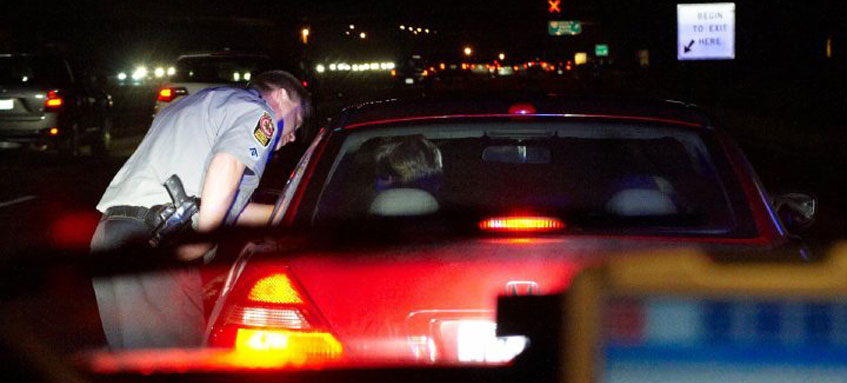
A DWI charge in the Town of Amherst is not a traffic ticket. It is a criminal accusation that can revoke your license, drain your wallet, and follow you for years. New York treats Driving While Intoxicated as a serious crime, and the consequences begin the moment you are arraigned. If you have been charged with DWI, DWAI, or Aggravated DWI anywhere in Erie County, Sunil Bakshi and Joseph Leta bring more than 25 years of focused defense experience to your corner.
Amherst is one of Western New York’s most heavily traveled towns, and its main arteries (the I-290, Sheridan Drive, Niagara Falls Boulevard, Maple Road, Transit Road, and Millersport Highway) carry steady traffic past the University at Buffalo North Campus and through the surrounding neighborhoods. Late-night patrols and holiday enforcement are common, and an arrest here can upend an otherwise law-abiding life overnight. A perfectly ordinary night out can end with flashing lights, a roadside test, and a ride to the station. Understanding exactly what you are charged with, and what New York law allows the court to do, is the foundation of a strong defense.
New York’s DWI charges by BAC tier
In New York, the alcohol-related charge you face turns largely on your blood-alcohol content (BAC). The tiers carry very different consequences:
- DWAI, 0.05% to 0.07% BAC: Driving While Ability Impaired by alcohol is a traffic infraction, not a crime. A first DWAI carries a 90-day license suspension and a minimum fine of $300. It is frequently the goal of a good plea negotiation.
- DWI, 0.08% BAC and above: Driving While Intoxicated is a crime. A first conviction carries a minimum six-month license revocation and a mandatory fine of at least $500.
- Aggravated DWI, 0.18% BAC and above: the most serious misdemeanor tier, carrying a minimum one-year license revocation and a fine of at least $1,000.
- DWI–Drugs and DWAI–Drugs: impairment by a drug rather than alcohol, including a lawfully prescribed medication.
The line between a DWAI infraction and a DWI crime is the one that matters most: one leaves you with a traffic ticket, the other with a criminal record. You can also be charged based on the officer’s observations of impairment even without a high reading, and a refusal to be tested creates its own set of problems, discussed below.
The penalties that follow an Amherst DWI conviction
The headline fine is only part of the story. A DWI conviction in New York carries a stack of consequences that reach well beyond the courtroom:
License revocation and the conditional license
Your privilege to drive is revoked, not merely suspended, on a DWI conviction: six months minimum for a first offense, a full year for an Aggravated DWI. For many Amherst residents who commute on the I-290 or rely on Transit Road to reach work, losing the ability to drive is the single biggest hardship. We work to secure a conditional license so you can still get to your job, school, and necessary appointments.
The ignition interlock device
New York requires an ignition interlock device on every vehicle you own or operate following a DWI conviction, at your own expense of roughly $75 or more per month, for a period the court sets. The device must be installed even while your driving privileges are restricted.
A permanent criminal record
Unlike a DWAI infraction, a DWI is a crime that stays on your record. It can affect employment, professional licensing, security clearances, insurance rates, and your ability to enter Canada. That last one is a real concern for many who live this close to the border.
When a DWI becomes a felony
If you have a prior alcohol-related conviction within the past ten years, a new charge can be elevated from a misdemeanor to a felony, with far longer revocations, larger fines, and possible state prison. Under Leandra’s Law, driving while intoxicated with a child in the vehicle is charged as a felony even on a first offense.
What to expect after an Amherst traffic stop
Most alcohol cases begin with an ordinary reason for the stop: a missed signal on Maple Road, a brake light out near the I-290 on-ramp, or a checkpoint along Niagara Falls Boulevard. From there the encounter usually follows a familiar pattern:
The roadside investigation
The officer may ask whether you have been drinking, look for the odor of alcohol, and request that you step out for field sobriety tests: the walk-and-turn, the one-leg stand, and the horizontal gaze nystagmus test. These tests are subjective and easy to administer incorrectly. Cold Western New York weather, uneven shoulders along Transit Road, the wrong footwear, fatigue, and plain nervousness can all make a sober person look impaired.
Arraignment in the Amherst Town Court
Your case will generally be heard in the local court that covers the Town of Amherst. At arraignment the court typically suspends your driving privileges on the spot. This is where acting quickly pays off: we can ask the court for hardship privileges and pursue a conditional license so you are not stranded while the case moves forward.
The first 24 hours after an Amherst DWI arrest
What you do immediately after an arrest can shape the entire case. It is normal to feel shaken and to want the whole thing to disappear, but the worst thing you can do is treat the matter casually or try to talk your way out of it after the fact. Resist the urge to explain, post about it, or contact the arresting agency on your own. Drivers who assume a first offense is just a fine sometimes show up to court alone, say more than they should, or accept a plea without realizing they are admitting to a crime that carries a revocation, an interlock requirement, and a permanent record.
Instead, write down everything you remember while it is fresh: where you were stopped (whether it was on Sheridan Drive, near the I-290 ramps, or along Maple Road), what the officer said, which tests you were asked to perform, and what you were told about the breath test. Those details often matter later. Then call a lawyer. The sooner we are involved, the sooner we can move for a conditional license and begin gathering the records that will drive your defense.
The chemical test and the breath instrument
In most Amherst DWI cases, the prosecution’s evidence centers on a chemical test, usually a breath test administered at the station after arrest. These instruments are not infallible. They must be properly calibrated and maintained, and they must be operated by a certified operator who follows the required protocol. We obtain the device’s maintenance and calibration records, the operator’s certification, and the testing logs, and we look hard for any deviation that could make the result unreliable. Field sobriety tests conducted on the roadside (affected by weather, footwear, road surface, and nerves) receive the same scrutiny.
Refusing the test and the DMV refusal hearing
Refusing the chemical test does not make a DWI go away. It creates a second, separate problem. Apart from the criminal case in court, the Department of Motor Vehicles holds its own refusal hearing. A finding that you knowingly refused carries a mandatory one-year license revocation, even if you later prevail in the criminal case. These hearings are scheduled quickly and follow their own procedures, and we have represented clients at many of them. You can learn more on our DMV hearings page, which explains how the refusal process works and why prompt action matters.
Why arrests near UB North Campus are so common
Amherst is home to the University at Buffalo North Campus, and the surrounding stretch of Millersport Highway, Sweet Home Road, and Maple Road carries a constant flow of students, faculty, and visitors. Add the bars and restaurants along Niagara Falls Boulevard and the late-night traffic feeding the I-290, and it is easy to see why alcohol-related stops are routine in this part of Erie County. Many of the people who call us are not reckless. They are ordinary residents and students who made a single decision to drive after a meal or a couple of drinks and got caught up in heavy local enforcement. A DWI charge does not make you a bad person, and it does not have to define your future.
If your situation also involves an ordinary moving violation that escalated, our speeding & traffic page explains how those tickets are handled in the same local courts. And if you want the full picture of how we approach intoxicated-driving defense generally, our main DWI defense page walks through the charges and penalties in detail.
How Bakshi & Leta build your defense
Defending a DWI is detailed work, and we approach it methodically. We examine whether the police had a lawful reason for the stop, whether the field sobriety and chemical tests were properly administered, whether the breath instrument was reliable, and whether your constitutional rights were respected at every stage. From arraignment through motions, hearings, plea negotiations, and trial if necessary, we look for the leverage to reduce or dismiss the charge, and where the facts allow, we negotiate a DWI down to a DWAI to keep a crime off your record. Throughout, we explain each decision so you understand exactly where your case stands and never feel left in the dark.
No two DWI cases are identical, and the right strategy depends on the specifics: your BAC reading, your driving record, the conduct of the stop, and the court your case lands in. A borderline 0.08% reading with a questionable stop calls for a very different approach than a 0.18% Aggravated DWI with a clean arrest. Because we have handled these cases across Erie County for more than 25 years, we can read the situation realistically and tell you, candidly, what outcomes are within reach. We would rather give you an honest assessment than an empty promise.
Serving Amherst and Erie County
We defend DWI clients throughout the Town of Amherst and the neighboring communities of Tonawanda, Cheektowaga, Clarence, and Williamsville, along with the many town and village courts of Erie County. Whether your stop happened on Sheridan Drive, near the University at Buffalo North Campus, or along Millersport Highway, we know the local courts and how they handle these cases. See the full list of communities and courts we cover on our areas we serve page.
When the charge is this consequential, that local experience counts. Knowing how a particular court schedules cases, how it approaches plea negotiations, and what a given prosecutor tends to look for lets us guide you efficiently and set realistic expectations from the start. A lawyer who handles these cases in Erie County week in and week out simply sees the terrain differently than someone parachuting in from elsewhere.
A DWI in Amherst threatens your license, your finances, and your future, but you do not have to face it alone. Call Bakshi & Leta today at (716) 631-0004 for a free, confidential consultation. We are available days, nights, and weekends.
Amherst DWI questions
Frequently asked questions
Call (716) 631-0004 for answers specific to your case.
New York sets several thresholds. DWAI (a traffic infraction) covers 0.05% to 0.07% BAC. DWI (a crime) is generally 0.08% or higher. Aggravated DWI applies at 0.18% or higher and carries the harshest penalties. The number on your breath result heavily influences which charge you face in Amherst.
A first DWI conviction carries a minimum six-month revocation. A DWAI carries a 90-day suspension, and an Aggravated DWI carries a minimum one-year revocation. A chemical-test refusal triggers a separate one-year revocation through the DMV. We work to obtain a conditional license so you can keep driving while the case is resolved.
After an alcohol-related stop you are typically arrested, processed, and given an appearance ticket or held for arraignment in the Amherst Town Court. The court usually suspends your license at that first appearance. We can move quickly to seek hardship privileges and a conditional license so you can keep driving to work and school.
For a DWI conviction, New York requires an ignition interlock device on every vehicle you own or operate, at your own expense of roughly $75 or more per month, for a court-set period. It must be installed even while your privileges are restricted. We make sure you understand these conditions and explore every option to limit the impact.
Often, yes. Depending on the facts, a misdemeanor DWI can sometimes be negotiated down to a DWAI, a traffic infraction rather than a crime. Whether a reduction is possible depends on your BAC, your record, the strength of the stop and testing, and the court. We review every detail before advising you.
If you refused the chemical test, the DMV holds a refusal hearing separate from your criminal case. A finding that you knowingly refused results in a mandatory one-year revocation, even if the court case is later resolved in your favor. These hearings move quickly and follow their own rules, so it is important to have an attorney prepared to represent you.
Local knowledge matters. We regularly appear in the Amherst Town Court and surrounding Erie County courts, and we know how each handles alcohol cases, scheduling, and plea practice. That familiarity helps us resolve cases more efficiently and anticipate how a particular court is likely to treat your situation.
Facing a DWI in Amherst? Protect your license today.
The sooner you call, the more we can do to protect your license and your record. Free, confidential consultation.