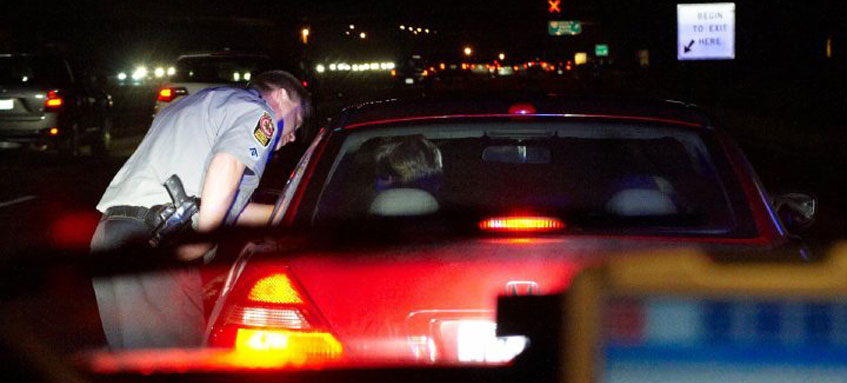
A DWI charge in Williamsville carries consequences that escalate far faster than most drivers expect: fines, license revocation, a mandatory ignition interlock device, and, on a repeat offense, a felony. The good news is that your defense does not have to come from across town. Bakshi & Leta’s office is at 5662 Main Street, right in the Village of Williamsville, so the attorneys fighting your penalties are based on the very street where many DWI stops begin.
New York’s drinking-and-driving laws are among the strictest in the nation, and Driving While Intoxicated is a formal criminal charge with a defined penalty structure. Understanding exactly what you are exposed to (the BAC tier you were charged under, the mandatory minimums, and how a second offense changes everything) is the foundation of any serious defense. This page lays out those penalties and how Sunil Bakshi and Joseph Leta work to limit them.
New York DWI charges by BAC tier
The number on the breath result largely determines the charge, and each tier carries its own exposure:
- DWAI–Alcohol: generally 0.05% to 0.07% BAC. A traffic infraction, not a crime, but still carrying a fine, a 90-day license suspension, and a permanent record of the violation.
- DWI: 0.08% BAC or higher, or common-law intoxication based on the officer’s observations. A misdemeanor crime with a fine of at least $500 and a revocation of at least six months.
- Aggravated DWI: 0.18% BAC or higher. A crime requiring a minimum $1,000 fine and a one-year revocation.
- DWAI–Drugs and DWAI–Combination: impairment by drugs, or by drugs and alcohol together, carrying penalties comparable to an alcohol DWI even with no breath reading.
The penalties a Williamsville DWI can bring
A conviction reaches well beyond a fine. New York attaches a stack of mandatory and collateral consequences that follow you long after the case closes:
- License revocation: at least six months on a first DWI, one year on an Aggravated DWI, and longer on repeat or felony offenses. Revocation means your license is wiped out, not merely paused.
- Ignition interlock device: New York requires an interlock on every vehicle you own or operate, generally for at least twelve months, installed and maintained at your own expense.
- Fines, surcharges, and assessments: statutory fines starting at $500, plus court surcharges and a multi-year Driver Responsibility Assessment paid to the DMV.
- Criminal record: a DWI conviction is a permanent crime on your record, with ripple effects on employment, professional licensing, insurance rates, and travel to Canada.
For a fuller breakdown of how each charge is penalized statewide, see our main DWI defense page.
Leandra’s Law and when a DWI becomes a felony
Two situations turn a misdemeanor DWI into a felony, and the jump in exposure is dramatic. The first is a prior DWI conviction within the past ten years: a second offense in that window is charged as a class E felony, and a third can rise to a class D felony, carrying the possibility of state prison. The second is Leandra’s Law, New York’s child-passenger statute, which makes it an automatic felony to drive while intoxicated with a child under sixteen in the vehicle, even on a first offense.
This distinction also changes where your case is heard, and where a case is heard shapes how it is defended.
Where your Williamsville case is heard
Because Williamsville is a village within the Town of Amherst, an impaired-driving stop inside the village is, in most cases, prosecuted in Amherst Town Court rather than in a separate village court. That is an important practical point: your appearances, your plea negotiations, and any hearings will generally take place in the Amherst town court system, and familiarity with how that court operates is a real advantage.
The exception is a felony (most commonly a repeat DWI within ten years or a case involving serious aggravating factors), which moves to Erie County Court in downtown Buffalo. Knowing in advance which path your case is on, and what each court expects, lets us prepare you properly instead of leaving you guessing. We bring the same close attention to a felony in county court that we bring to a first offense in the village.
Why DWI stops happen in Williamsville
Williamsville is an affluent, walkable village inside the Town of Amherst, with a historic Main Street (Route 5) district full of restaurants and bars near the Williamsville Water Mill and Glen Park. The lively evening scene is part of the village’s charm, and it is also why DWI stops cluster here: a relaxed dinner out can put a driver over the limit without their realizing it. Heavy traffic on Main Street (Route 5), Transit Road, Union Road, and Wehrle Drive gives patrols ample reason to make stops, and a small misstep is often all it takes.
A minor lapse is frequently the whole justification: a wide turn, a brake light out, drifting within a lane. Once you are pulled over, the officer’s observations, the roadside field sobriety tests, and any breath result become the building blocks of the case against you.
First steps after a Williamsville DWI arrest
What you do in the hours and days after the stop can shape the entire case. A few practical steps make a real difference:
- Write down everything you remember about the stop while it is fresh: where on Main Street, Transit Road, or Union Road you were pulled over, what the officer said, and what tests you were asked to perform.
- Preserve every piece of paper the officer or the court handed you, including any appearance ticket or temporary license document.
- Note your court date. Most Williamsville cases are calendared in Amherst Town Court, and missing an appearance only makes things worse.
- Be careful about the chemical test decision. Refusing a breath test triggers a separate DMV license revocation independent of the court case, a serious choice worth discussing with counsel right away.
- Call a local attorney quickly. The sooner we are involved, the sooner we can move to protect your driving privileges.
How we fight the penalties
A high penalty exposure is not the same as an inevitable one. Many people walk into court assuming a breath reading or a stumble on the roadside settles everything. It does not. We examine every stage of the case for the leverage to reduce or defeat the charge:
- The stop: whether the officer had a lawful, articulable reason to pull you over in the first place on Main Street, Transit, or Union Road. This threshold question matters most of all, because if the stop was improper, the evidence that followed may be suppressed.
- Field sobriety tests: whether the walk-and-turn, one-leg stand, and horizontal gaze nystagmus tests were administered and scored correctly. The scoring depends entirely on the officer’s judgment, and results are easily distorted by the uneven curb-side pavement along Main Street, cold or windy conditions, dress shoes, fatigue, anxiety, or an ordinary medical issue like a knee injury or an inner-ear condition.
- The chemical test: whether the breath instrument was calibrated and maintained and the operator certified. We obtain the device’s maintenance and calibration records, the operator’s paperwork, and the testing checklist, and scrutinize them for the deviations that can make a result unreliable or inadmissible.
- The refusal: if you declined the test, the separate DMV revocation it triggers, addressed on our DMV hearings page.
Where the facts allow, a strong defense can mean a reduction from DWI to a non-criminal DWAI, the suppression of an unreliable test, or a dismissal, each of which can spare you the harshest penalties.
The refusal penalty runs separately from the criminal case
One penalty surprises Williamsville drivers more than any other because it has nothing to do with the criminal court. Under New York’s implied-consent law, declining the chemical breath or blood test after a lawful arrest triggers a separate proceeding at the Department of Motor Vehicles. A refusal finding carries a mandatory one-year license revocation and a civil penalty, and it applies even if your underlying DWI charge is later reduced or dismissed in Amherst Town Court. These refusal hearings move on their own fast timeline and are governed by their own rules, so failing to appear can cost you your license by default while the court case is still open. We represent drivers at these hearings, cross-examine the arresting officer, and probe for the procedural defects that can defeat a refusal finding. Because the administrative and criminal tracks proceed in parallel, both must be defended, and we handle them together. Our DMV hearings page explains the process in detail.
Protecting your license while your case is pending
At your first appearance the court will usually suspend your driving privileges, which can leave you without a way to get to work, school, or medical appointments. By reaching out to us quickly, we can move to obtain hardship privileges and a conditional license so your day-to-day life can continue while your case is pending. From that first court date through every motion, hearing, and negotiation, we guide you and explain each step so you are never left in the dark.
The collateral consequences that outlast the sentence
The fine and the revocation are the penalties you can see on sentencing day, but a DWI conviction casts a much longer shadow. New York does not permit DWI convictions to be sealed the way certain other offenses can be, so the conviction becomes a permanent part of your record and surfaces on background checks for employment and housing for years to come. The financial aftermath compounds it: auto-insurance premiums commonly rise sharply and stay elevated, and the multi-year Driver Responsibility Assessment is billed by the DMV on top of the court fine. For licensed professionals such as nurses, teachers, attorneys, and especially commercial drivers, who can face disqualification of the CDL their living depends on, a conviction can carry reporting obligations and career consequences far beyond the courtroom. And because Williamsville sits a short drive from the international border, an impaired-driving conviction can complicate travel into Canada, which may treat the offense as grounds to refuse entry. These downstream costs are precisely why securing a reduction to a non-criminal DWAI, where the facts allow, can matter as much as the dollar figure on the plea, and why we treat even a first offense as worth fighting hard.
Local defense for Williamsville and beyond
The single biggest advantage we offer Williamsville drivers is that we are genuinely local. The firm of Bakshi & Leta is headquartered at 5662 Main Street, in the village itself, not a downtown office sending someone out to Amherst. Sunil Bakshi and Joseph Leta are neighbors to the restaurants you were leaving, the roads you were driving, and the court that will hear your case.
That proximity is more than convenient. You can sit down with your attorney close to home, without a trek into the city, and we know these streets, this restaurant district, and the Amherst Town Court system from years of working right here. When something as frightening as an arrest disrupts your life, the people defending you are part of the same community. We also defend DWI clients throughout the Town of Amherst and across Western New York; see every community on our areas we serve page.
New York’s DWI penalties are severe, but a knowledgeable local attorney can change the outcome. With our office right here in the village, help is close at hand. Call Bakshi & Leta today at (716) 631-0004 for a free, confidential consultation.
DWAI–Alcohol is generally charged between 0.05% and 0.07% BAC, DWI at 0.08% or higher, and Aggravated DWI at 0.18% or higher. New York also charges DWAI–Drugs and DWAI–Combination for impairment by drugs or by drugs and alcohol together.
A first-offense DWI is a misdemeanor with a fine of at least $500, a license revocation of at least six months, and a mandatory ignition interlock device on any vehicle you own or operate. Aggravated DWI raises the minimum fine to $1,000 and the revocation to one year.
A DWI is charged as a felony when you have a prior DWI conviction within the past ten years, or where Leandra’s Law applies because a child under sixteen was in the vehicle. Felony DWI cases from Williamsville are handled in Erie County Court in Buffalo rather than Amherst Town Court.
Williamsville is a village within the Town of Amherst, so a misdemeanor DWI or DWAI stop within the village is typically heard in Amherst Town Court rather than in a separate village court. If the charge is a felony, such as a repeat offense within ten years, the case is handled in Erie County Court in downtown Buffalo.
Write down everything you remember about the stop while it is fresh, preserve any paperwork the officer gave you, note the date of your Amherst Town Court appearance, and call a local attorney quickly. Acting fast lets us seek hardship driving privileges so you can keep getting to work and school.
Yes. Our office is at 5662 Main Street in the Village of Williamsville, and most local DWI cases are heard in Amherst Town Court. Being based right in the village means we know these roads and this court, and you can meet your defense team close to home instead of driving downtown.
Charged with DWI in Williamsville? Call now.
Our office is right in the village on Main Street. The sooner you call, the more we can do to limit the penalties and protect your license. Free, confidential consultation.