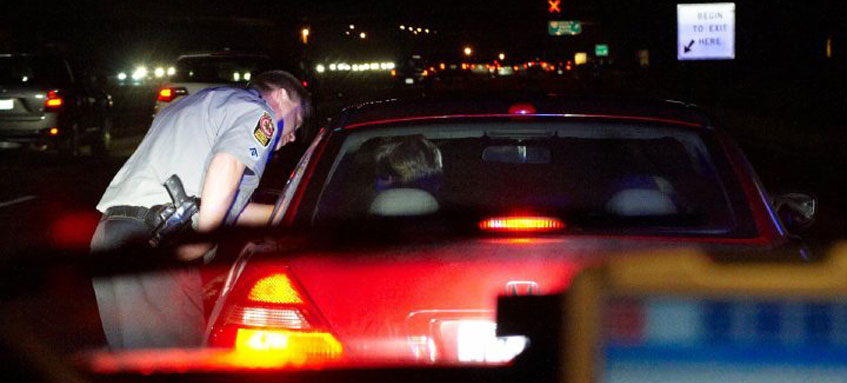
A DWI conviction in North Tonawanda is measured in numbers: the fine, the months of revocation, the cost of the ignition interlock, and, for some, the years a felony can carry. New York’s drinking-and-driving penalties are among the harshest in the nation, and they escalate sharply with your blood-alcohol content and your history. If you have been charged in this Niagara County city, Sunil Bakshi and Joseph Leta know exactly how those numbers are calculated, and how to fight to bring them down.
North Tonawanda sits at the northern terminus area of the Erie Canal, a historic Lumber City whose revived Webster Street and canal district draw crowds well into the evening. The summertime Canal Fest of the Tonawandas brings tens of thousands of visitors, and the Herschell Carrousel Factory Museum keeps the neighborhood busy the rest of the year. More activity after dark means more cars on the road late at night, and with it comes enforcement on Niagara Falls Boulevard, Erie Avenue, Payne Avenue, Oliver Street, and River Road along the water. A perfectly responsible night out can end in flashing lights. The moment a chemical test reads a certain number, the penalty schedule the law imposes begins to lock into place. Understanding that schedule is how you take back control.
New York’s DWI charges by BAC tier
New York grades impaired-driving offenses largely by blood-alcohol content, and each tier carries its own consequences:
- DWAI (Alcohol), 0.05% to 0.07% BAC: a traffic infraction, not a crime, generally carrying a fine of $300 to $500 and a 90-day license suspension on a first offense.
- DWI, 0.08% BAC or higher: a misdemeanor crime. A first conviction carries a fine of $500 to $1,000, a minimum six-month license revocation, a mandatory state surcharge, and an ignition interlock requirement.
- Aggravated DWI, 0.18% BAC or higher: a misdemeanor with elevated penalties, including a fine of $1,000 to $2,500 and a license revocation of at least one year on a first offense.
- DWAI–Drugs and DWAI–Combination: for impairment by drugs, or by drugs and alcohol together, carrying penalties comparable to an alcohol DWI, including a minimum six-month revocation.
Because the dividing lines are numerical, the reliability of the test that produced your number is often the heart of the defense. A reading is only as good as the instrument that produced it and the officer who operated it, and both can be challenged.
Fines, revocation, surcharges and the ignition interlock
The fine printed in the statute is only part of the bill. A DWI conviction in New York also brings a mandatory state surcharge, a separate annual Driver Responsibility Assessment paid to the DMV, and the cost of an ignition interlock device installed on every vehicle you own or operate, typically for at least twelve months, at roughly $75 or more per month out of your own pocket. License revocation, meanwhile, is not a brief inconvenience: a minimum of six months for a standard DWI, a year for Aggravated DWI, and far longer for repeat or felony convictions, after which you must formally apply to the DMV to be relicensed.
It is worth emphasizing how revocation differs from a simple suspension. A suspended license is returned automatically once the suspension period ends and any fee is paid. A revoked license is cancelled outright: when the revocation period is over you do not simply get it back. You must reapply, and the DMV reviews your driving history before deciding whether to issue a new one. For drivers with prior alcohol or drug incidents, that review can result in a denial or an extended waiting period, which is why a single North Tonawanda DWI can affect your ability to drive for far longer than the headline revocation figure suggests.
Probation, conditional discharge and possible jail
Beyond the fines and license consequences, a DWI sentence in New York can include a term of probation or a conditional discharge with conditions attached, a victim-impact panel, an alcohol and substance-abuse evaluation, and any treatment that evaluation recommends. A standard misdemeanor DWI carries the possibility of up to one year in jail, even on a first offense, and while incarceration is far from automatic for a first-time offender, the exposure is real and rises steeply with aggravating facts or a prior record. Aggravated DWI, an accident, or a high BAC can all push a prosecutor and judge toward a harsher disposition, which is precisely why early, informed advocacy matters.
When a North Tonawanda DWI becomes a felony
Repeat offenses change everything. A second DWI within ten years is generally charged as a class E felony, and a third within ten years as a class D felony, carrying larger fines, multi-year revocations, and the genuine prospect of state prison. Just as serious is Leandra’s Law: driving while intoxicated with a child under sixteen in the vehicle is a felony even on a first offense, and a conviction requires an ignition interlock and can trigger a report to child protective authorities. Any felony DWI arising in North Tonawanda is prosecuted by the Niagara County District Attorney and heard in Niagara County Court in Lockport, the county seat.
The Twin Cities trap: which county, which court
One detail catches many people off guard. North Tonawanda is one of the “Twin Cities,” sitting directly across the Erie Canal from the City of Tonawanda. The two share a name but not a county: North Tonawanda is in Niagara County, while the City of Tonawanda is in Erie County. That means a misdemeanor DWI from within North Tonawanda is heard in North Tonawanda City Court, and felonies go to Niagara County Court in Lockport: a different court, a different District Attorney, and a different bench than just across the water. The penalties on the books are the same statewide, but how a case is charged and resolved depends heavily on the prosecutor and judge, so knowing which side of the canal you are on matters.
What to do in the first hours after an arrest
What you do in the first hours and days shapes everything that follows. We tell every North Tonawanda client the same four things:
- Stop talking. You are not required to explain where you were or what you drank. Polite silence protects you.
- Keep every piece of paper. The appearance ticket, any DMV notices, the property receipt, all of it matters.
- Write down what happened while it is fresh: where you were stopped, what was said, what tests you were asked to perform.
- Call a lawyer before your arraignment. Your driving privileges are usually suspended at that first appearance, so the sooner we are involved, the sooner we can act.
The collateral costs the statute does not list
A DWI conviction follows you well beyond the courtroom and the DMV:
- A permanent criminal record that surfaces on background checks for jobs and housing.
- Sharply higher auto insurance, often for years.
- Professional licensing problems for nurses, CDL holders, and others.
- Trouble entering Canada, a real concern this close to the border crossings, since Canada can deny entry over an impaired-driving conviction.
These downstream consequences are exactly why fighting for a reduced charge (a DWAI infraction rather than a DWI crime) where the facts allow can matter as much as the fine itself.
Reducing the charge: the DWAI outcome
For many first-time clients, the single most valuable result is not an acquittal at trial but a reduction: persuading the prosecution to resolve a misdemeanor DWI as a DWAI traffic infraction. The difference is enormous. A DWAI is not a crime, it does not leave a criminal record, the fine and surcharge are lower, and the license consequence is a 90-day suspension rather than a six-month-minimum revocation. Whether that reduction is realistic depends on the facts: your BAC reading, whether there was an accident, your driving history, and the strength of the evidence against you. By attacking the breath result, the field tests, and the legality of the stop, we work to create the leverage that makes a favorable reduction possible. Where a reduction is not on the table, we prepare the case for hearings and, if necessary, trial, never treating a guilty plea to the top charge as a foregone conclusion.
Why the traffic stop itself is the first battleground
Long before any breath reading, the police needed a lawful reason to pull you over. An officer cannot stop a car on a hunch; there must be a genuine traffic violation or a specific, articulable basis for suspicion. We pull the police paperwork and any available dashcam or bodycam footage and ask hard questions: was there really a moving violation on Niagara Falls Boulevard, or was the stop a pretext? Was a checkpoint near the canal district operated according to the strict constitutional rules that govern roadblocks? If the stop was unlawful, the evidence that flowed from it (the observations, the field tests, the breath result) may be suppressed, and a case can collapse on that issue alone. Scrutinizing the stop is not a technicality; it is often where the strongest defense begins.
Field tests and the breathalyzer are not the last word
Many people assume an arrest means the case is over. It is not. Roadside field sobriety tests (the walk-and-turn, the one-leg stand, the eye test) are subjective, frequently administered incorrectly, and easily skewed by nerves, footwear, uneven pavement, or a medical condition. The chemical breath test depends on an instrument that must be properly calibrated, maintained, and run by a certified operator. We obtain the calibration and maintenance records and review the operator’s certification, because the number that drives your entire penalty tier is only as reliable as the machine and the technician behind it.
The license problem and the DMV
One of the most disruptive parts of any New York impaired-driving case has nothing to do with the criminal court at all. If you refused the chemical test, the DMV holds a separate refusal hearing that can revoke your license for a year on its own, even if the court case goes your way. We have handled hundreds of these hearings and explain the trade-offs on our DMV hearings page. Whether you refused or not, we move quickly to seek hardship privileges and a conditional license so you can keep getting to work and family obligations while the case is pending.
Out-of-state and Canadian drivers near the border
Because North Tonawanda sits so close to the international border and the bridges to Ontario, a meaningful share of the drivers stopped here hold licenses from another state or another country. If that describes you, the charge carries an extra layer of worry. Through the interstate Driver License Compact, New York reports the conviction back to your home state, which then applies its own penalties to your driving record, so a North Tonawanda arrest can follow you home to Pennsylvania, Ohio, or anywhere else. For Canadian visitors, the stakes are different but just as serious: an impaired-driving conviction can complicate future entry into the United States and create problems at the border for years. We routinely represent non-resident drivers, appear on their behalf so they are not forced to travel back for every court date, and tailor the defense to limit the damage both here and at home.
How we fight the penalty
Every number the prosecution relies on can be challenged, and challenging it is what creates leverage. Beyond the stop, the field tests and the breath instrument, we look at how the case was charged in the first place, whether the aggravating facts a prosecutor is leaning on actually hold up, and what your sentencing exposure honestly is, so that no decision you make is made in the dark. For the broader picture of how we approach intoxicated-driving cases across the region, see our DWI defense overview.
Serving North Tonawanda and all of Niagara County
From the canal district downtown to the neighborhoods off Payne Avenue and Oliver Street, we represent North Tonawanda drivers in their City Court and, when felonies are charged, in Niagara County Court in Lockport. We also defend clients throughout the rest of Western New York, and every community and court we cover is listed on our areas we serve page.
The penalties for a North Tonawanda DWI are steep, but they are not automatic; the right defense can reduce a charge, protect your license, and keep a conviction off your record. Call Bakshi & Leta today at (716) 631-0004 for a free, confidential consultation.
North Tonawanda DWI
Frequently asked questions
Call (716) 631-0004 for answers specific to your case.
New York charges by blood-alcohol content. DWAI (alcohol) is typically charged from 0.05% to 0.07% and is an infraction. DWI is a crime at 0.08% or higher. Aggravated DWI applies at 0.18% or higher and carries the steepest penalties. Separate DWAI-Drugs and DWAI-Combination charges apply when drugs, or drugs and alcohol together, are involved.
A first-offense DWI is a misdemeanor that carries a fine of at least $500 (up to $1,000), a mandatory minimum six-month license revocation, a state surcharge, and an ignition interlock device on any vehicle you own or operate. Aggravated DWI raises the fine to a minimum of $1,000 and the revocation to at least one year. Jail is possible even on a first offense.
A second DWI within ten years is generally charged as a class E felony, and a third within ten years as a class D felony, with far longer revocations, larger fines, and the real possibility of state prison. Under Leandra’s Law, driving intoxicated with a child under 16 in the vehicle is a felony even on a first offense. Felony cases from North Tonawanda are prosecuted in Niagara County Court in Lockport.
Anyone sentenced for a misdemeanor or felony DWI in New York must install and maintain an ignition interlock device on every vehicle they own or operate, typically for at least twelve months, at their own expense of roughly $75 or more per month. The device prevents the car from starting if it detects alcohol on your breath.
A misdemeanor or infraction-level charge is heard in North Tonawanda City Court, which sits within the city of North Tonawanda in Niagara County. If the case is charged as a felony, it is prosecuted by the Niagara County District Attorney and moves to Niagara County Court in Lockport. Remember that despite the shared name, North Tonawanda is in Niagara County while the City of Tonawanda is in Erie County, so the court and prosecutor are different.
Stop answering questions, keep copies of every document you were given, write down what you remember while it is fresh, and call a lawyer before your arraignment. Your license is usually suspended at that first appearance, so acting quickly lets us seek hardship privileges and a conditional license so you can keep driving to work.
Yes. Even a first offense is a matter that follows you: a criminal record, license revocation, an ignition interlock requirement, higher insurance, and possible trouble entering Canada just across the river. An experienced attorney can challenge the stop and the testing, and often negotiate a reduced charge such as DWAI.
Facing a North Tonawanda DWI? Call now.
Fines, revocation and interlock are not automatic; the sooner you call, the more we can do to reduce the charge and protect your license. Free, confidential consultation.